
Milk logistics refers to the intricate process of managing the transportation, storage, and distribution of milk and dairy products from farms to consumers. It's a critical aspect of the dairy supply chain, ensuring that milk reaches stores, homes, and businesses in the freshest possible state. Given the perishable nature of milk, logistics plays a pivotal role in maintaining quality, minimizing spoilage, and ensuring that dairy products meet safety standards.
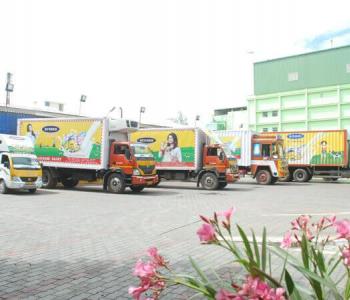
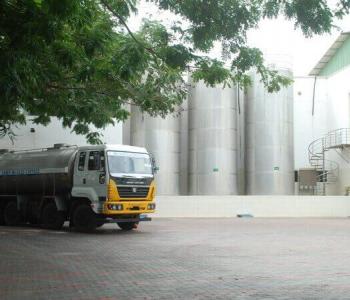
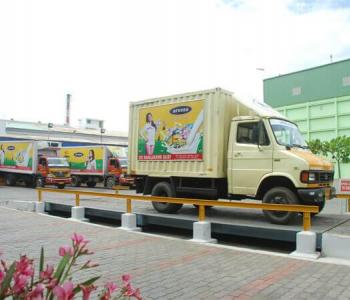
Milk logistics involves several key stages, starting from the farm. Freshly collected milk is quickly transported to processing facilities using refrigerated trucks to maintain the correct temperature and prevent spoilage. Once processed, milk and other dairy products are then distributed to retailers, wholesalers, or directly to consumers, often using a combination of cold storage and efficient transport networks.
One of the significant challenges in milk logistics is the need for the time-sensitive delivery. Milk has a short shelf-life and is highly susceptible to temperature fluctuations. Any delay or lapse in temperature control can lead to spoilage, which is both a financial loss and a potential food safety hazard. To counter this, logistics companies use state-of-the-art cold chain management techniques, including refrigerated transport, insulated containers, and temperature monitoring systems, to ensure milk stays fresh throughout the journey.
Technology has also become a game-changer in improving milk logistics. Advanced route planning software, GPS tracking, and real-time monitoring systems allow dairy companies to optimize delivery schedules and minimize transit times. This not only helps in reducing waste but also ensures that milk arrives at the retailer or consumer as quickly as possible.
Sustainability is another growing concern within milk logistics. As the demand for dairy products increases, reducing the environmental impact of transportation and packaging has become a priority. Some companies are experimenting with electric or hybrid delivery vehicles, while others are focusing on optimizing supply chains to reduce carbon emissions and waste. In summary, milk logistics is a vital part of the dairy industry, ensuring that consumers receive fresh, safe, and high-quality milk. As technologies evolve and sustainability practices are adopted, the logistics of milk and dairy products will continue to improve, making the supply chain both efficient and environmentally responsible.