
Milk Processing
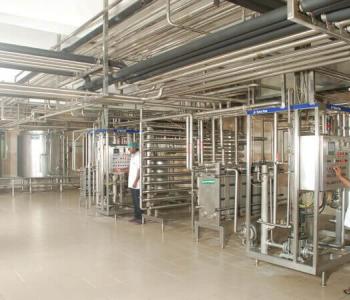
Milk processing is the series of operations that transform raw milk collected from dairy farms into safe, high-quality dairy products ready for consumption. The primary goals of milk processing are to ensure safety, extend shelf life, and improve the nutritional and sensory qualities of milk-based products.
Key steps in milk processing include:
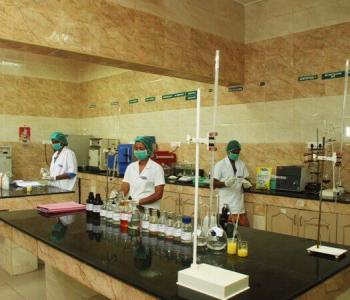
- Reception and Testing: Upon arrival at the processing plant, milk is tested for quality parameters such as fat content, temperature, and presence of contaminants.
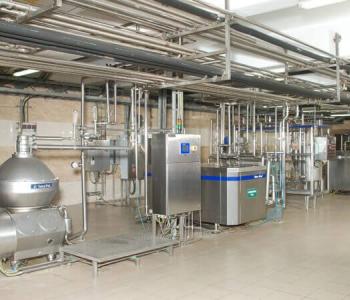
- Clarification and Separation: Milk is clarified to remove impurities and then separated to obtain cream and skimmed milk, depending on the product requirements.
- Pasteurization: The milk is heated to a specific temperature for a set time to kill harmful bacteria without affecting nutritional value.
- Homogenization: This process breaks down fat molecules to ensure a consistent texture and prevent cream from separating.
- Standardization: The fat content is adjusted to produce different varieties like whole milk, toned milk, or low-fat milk.
- Packaging: Processed milk is packed under hygienic conditions in sterilized containers to preserve freshness and prevent contamination.
- Cold Chain Management: The milk is stored and transported under refrigeration to maintain quality until it reaches retailers or consumers.
Advanced milk processing also includes the production of value-added dairy products such as cheese, butter, yogurt, and milk powders.