

It is a long-standing fact that a reader will be distracted by the readable content of a page when looking at its layout. The point of using Lorem Ipsum is that it has a more-or-less normal distribution of letters, as opposed to using 'Content here, content here', making it look like readable English. Many desktop publishing packages and web page editors now use Lorem Ipsum as their default model text, and a search for 'lorem ipsum' will uncover many websites still in their infancy.
Its area of operation is Pali Zila. Its motto is to procure milk through village-level Dairy Cooperative Societies at a remunerative price at their doorstep round the year, along with technical input services such as the supply of cattle feed and feed supplements, and veterinary services such as breed improvement programs through AI and natural services, animal treatment, vaccination, etc.
MILK PROCUREMENTMilk procurement is the foundational process in the dairy supply chain, involving the collection of milk from farmers or cooperatives and its transportation to processing units. The efficiency and integrity of this process directly impact the quality of dairy products and the sustainability of the dairy industry.
Key elements of milk procurement include:
- Sourcing: Milk is sourced from individual dairy farmers or through milk collection centers (MCCs) operated by dairy cooperatives.
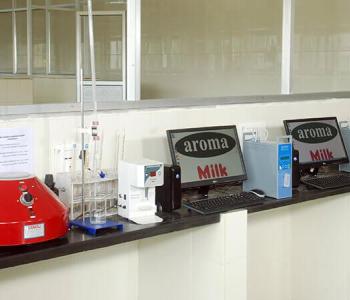
- Quality Testing: Collected milk undergoes immediate quality checks for fat content, SNF (solids-not-fat), temperature, and bacterial count to ensure compliance with safety standards.
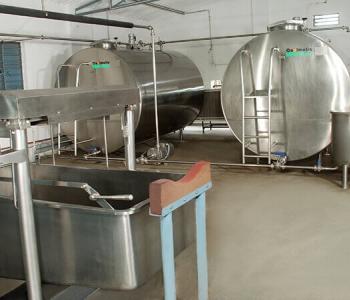
- Chilling and Storage: To prevent spoilage, milk is rapidly cooled to 4oC at bulk milk coolers (BMCs) before being transported.
- Logistics: Temperature-controlled vehicles ensure that the milk reaches the processing plants without contamination or spoilage.
- Farmer Engagement: Transparent pricing, timely payments, and training in best practices help build long-term partnerships with milk suppliers.